Windows 7 doubles its market share in two months, StatCounter data shows
Windows 10 will reach end-of-support in October this year, meaning users will no longer be able to install the latest security updates from Microsoft. This has prompted many to finally switch to Windows 11, something that StatCounter’s OS market share data from the last few months corroborates.
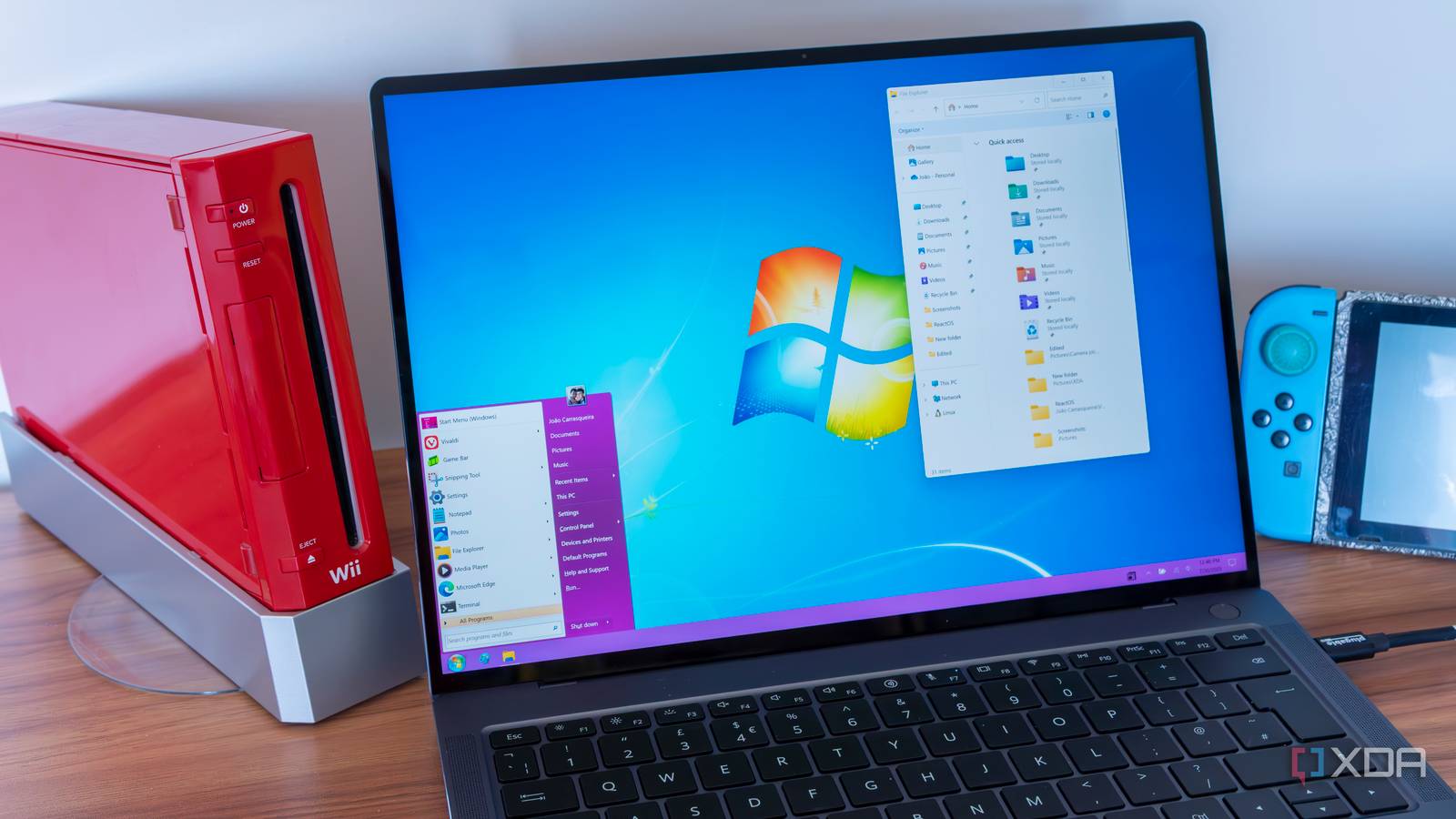
The spike in Windows 11’s market share is primarily due to the purchase of new PCs and, of course, people upgrading from Windows 10. While users ditching Windows 10 in favor of Windows 11 is good news for Microsoft, though some are switching to Linux, the software giant may have reason to worry about rising usage of one of its decades-old OS: Windows 7.
Windows 7 is growing in popularity once again, StatCounter data shows
According to StatCounter data, Windows 11 surpassed the market share of Windows 10 worldwide in July this year. As of September, its usage share stands at 50.74% as against 43.09% in the case of Windows 10.

A new and more modern OS beating an old one is par for the course, but what’s surprising is Windows 7’s sudden rise in popularity. Released in 2009, Windows 7’s market share remained flat for most of this year until August. Its usage share grew from 2.02% in July to 3.59% in August.
This rise isn’t a one-off event. Windows 7 posted growth in market share for two consecutive months. As per StatCounter’s latest data, Windows 7 now claims 5.2% market share, up from 3.59% last month. That’s over a 100% increase in market share if you compare the July data with the latest one.
The 5.2% usage share is still a small number compared to Windows 11 and 10, but we can’t ignore its growth, especially since many Windows 10 users are refusing to upgrade to Microsoft’s latest version of Windows. However, this doesn’t necessarily mean that users are downgrading their PCs from Windows 10 to Windows 7.
Whatever factors are driving Windows 7’s growth, the numbers are impressive, especially since Microsoft ended its support in January 2020. However, we still can’t say that it’s a lasting trend, as it could very well be a short-term bump that won’t continue in the longer term.
Take StatCounter’s data with a pinch of salt
StatCounter’s data doesn’t paint the whole picture of which operating system has the highest usage share. That’s because, according to the company’s official website, the numbers only reflect the data it collects from tracking code installed on more than 1.5 billion sites globally. So, it’s possible that more Windows 7 PCs have been captured on StatCounter’s tracking network in the last two months, rather than a genuine increase in the usage share of the legacy OS.
link